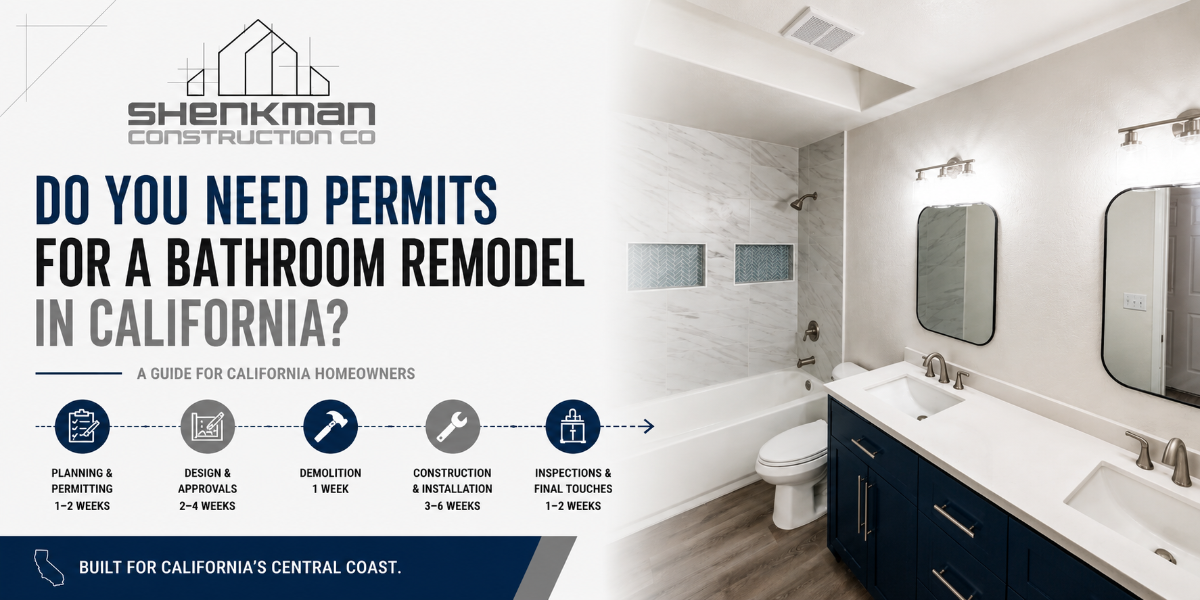
Do You Need Permits for a Bathroom Remodel in California?
If you're planning a bathroom remodel in Santa Maria, one of the first questions you should ask isn't which tile or vanity to choose. It's whether your project requires a building permit. Many homeowners are surprised to learn that while some bathroom updates are considered cosmetic, others require permits and inspections to comply with California building codes.
Understanding permit requirements before construction begins can save time, money, and frustration later. Projects involving plumbing, electrical systems, ventilation, structural changes, or accessibility improvements often require approval from the local building department. Knowing where the line is between cosmetic improvements and permitted work helps your remodel stay on schedule and protects your investment.
At Shenkman Construction Co., we've been helping homeowners throughout California's Central Coast remodel their homes for more than seven years. As a family-owned company and licensed California contractor (License #1062694), we understand local permitting requirements and work closely with building departments to complete projects safely, professionally, and according to current California building codes.
Why Building Permits Matter
Many homeowners see permits as another step in the remodeling process, but they're designed to protect both your home and your family. Bathrooms contain plumbing, electrical wiring, ventilation systems, waterproofing assemblies, and structural framing that all need to work together properly.
Building permits allow qualified inspectors to verify that these systems are installed correctly before walls are closed and finishes are completed. That extra level of oversight helps prevent costly problems while ensuring your remodel meets current safety standards.
Do All Bathroom Remodels Require a Permit?
No. Some bathroom improvements are considered cosmetic and can often be completed without permits. Others involve modifications to the home's systems and typically require review and inspection.
The easiest way to think about it is this:
-
- Replacing finishes? A permit may not be required.
- Changing how the bathroom is built or functions? A permit probably is.
Every project is different, so it's always worth verifying permit requirements before construction begins.
Does Replacing a Vanity Require a Permit?
It depends on the scope of the project.
If you're simply replacing an existing vanity with another vanity of similar size while leaving the plumbing exactly where it is, a permit often isn't required. However, if you're relocating the sink, adding a second vanity, or modifying plumbing inside the wall, permits are typically necessary.
Moving plumbing almost always triggers additional code requirements that need to be inspected before the project is finished.
What About Replacing a Bathtub or Shower?
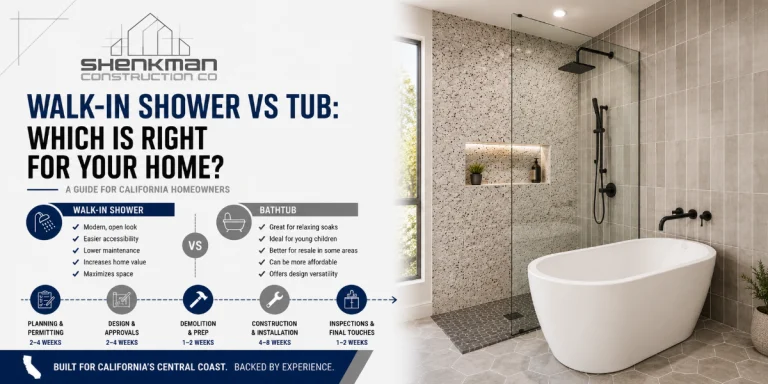
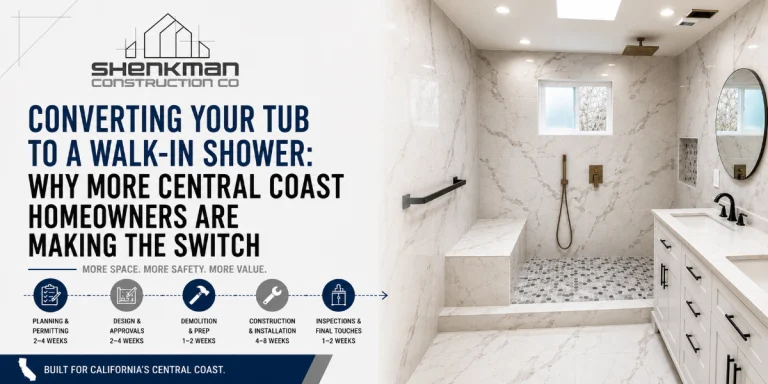
Replacing a bathtub or shower with a similar fixture in the same location may involve minimal permitting depending on the extent of the work. However, converting a bathtub into a walk-in shower, relocating drains, modifying supply lines, or changing waterproofing systems generally requires permits.
These projects often include:
-
- New plumbing rough-ins
- Drain relocation
- Updated waterproofing systems
- New shower valves
- Modified framing
Proper inspections help ensure these critical systems perform correctly long after the remodel is complete.
When Electrical Work Requires a Permit
Today's bathrooms use far more electricity than they did just a few decades ago. Modern lighting, heated floors, smart mirrors, exhaust fans, and GFCI outlets all require safe installation.
Permits are commonly required for electrical work such as:
-
- Installing new circuits
- Adding or relocating outlets
- Upgrading lighting
- Installing heated flooring systems
- Replacing or adding exhaust fan wiring
Professional plumbing and electrical coordination helps ensure every component meets current California electrical code requirements.
Ventilation Is More Important Than Most People Realize
Bathrooms generate a tremendous amount of moisture every day. Without proper ventilation, that moisture can lead to mold, mildew, damaged drywall, peeling paint, and shortened material life.
Many older homes throughout Santa Maria still have undersized exhaust fans or ventilation systems that no longer meet current standards. Upgrading ventilation during a remodel protects your new investment while improving indoor air quality.
Structural Changes Almost Always Require Review
Many homeowners decide to improve the layout of their bathroom while remodeling. Enlarging a shower, moving a doorway, removing walls, or expanding into an adjacent closet can dramatically improve functionality, but these projects usually require permits.
Common structural modifications include:
-
- Removing walls
- Reframing shower openings
- Installing larger windows
- Expanding the bathroom footprint
- Modifying door locations
Proper engineering, permitting, and inspections help ensure these changes maintain the structural integrity of your home.
Accessibility Improvements May Also Require Permits
Many homeowners are remodeling with the future in mind. Features like curbless showers, wider doorways, built-in benches, and reinforced walls for grab bars improve long-term comfort while allowing homeowners to remain in their homes longer.
Although these upgrades improve accessibility, they often involve plumbing, framing, or structural modifications that require permits before construction begins.
What Happens if You Skip the Permit?
Trying to avoid permits might seem like a way to save money or speed up construction, but it often creates bigger problems later.
Unpermitted work can affect:
-
- Future home sales
- Insurance claims
- Home refinancing
- Future remodeling projects
- Property inspections
In some situations, homeowners may even be required to remove finished work so inspectors can verify what was installed behind the walls. That's an expensive problem that's easily avoided by completing the project correctly from the beginning.
Who Pulls the Building Permit?
For most professionally managed remodeling projects, your contractor obtains the required permits and coordinates inspections throughout construction.
As a licensed California contractor (License #1062694), Shenkman Construction handles permit coordination, scheduling, inspections, and communication with local building departments. Our goal is to make the remodeling process as straightforward as possible while ensuring every project complies with current California building standards.
Proudly Serving California's Central Coast
While this article focuses on homeowners in Santa Maria, Shenkman Construction Co. proudly provides bathroom remodeling services throughout California's Central Coast, including:
-
- Santa Maria
- Santa Barbara
- San Luis Obispo
- Arroyo Grande
- Pismo Beach
- Grover Beach
- Nipomo
Planning a Bathroom Remodel?
If you're thinking about remodeling your bathroom, understanding permit requirements is one of the first steps toward a successful project. We'll evaluate your plans, explain what approvals may be required, and guide you through the entire remodeling process from design to final inspection.